Independent exterior architecture
THE ROBOT IS THE PLATFORM.
SHELLCRAFT IS THE BODY.
Advanced exterior architecture for humanoid robotics.
Independent exterior studies for humanoid platform references.

02 / Platform reference
CHOOSE THE
MACHINE.
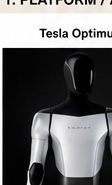
Begin with a platform reference. Each independent concept study considers an exterior direction without confirming physical fitment.
Choose the machine. Design the body.


06 / Clone Robotics
Current platform
- Current generation
- Current public program
- Image source
- clonerobotics.com
Third-party platform references use the supplied official manufacturer imagery with source attribution. Platform inclusion does not constitute manufacturer endorsement or confirmed fitment.
01Inside the shell
THE EXTERIOR BECOMES YOURS.
Shellcraft develops the visible, tactile exterior layer around accepted humanoid projects — creating a distinct presence without representing a change to the underlying robotic platform and systems.
02Exterior comparison
SAME MACHINE.
DIFFERENT PRESENCE.
Exterior direction changes material expression and visual identity. It does not represent an alteration to the original platform's core systems.
Platform-specific visual comparison pending approved source media
03Shellcraft system
MECHANICS →
STRUCTURE →
SENSING → SURFACE.
A physical architecture that moves from the original machine outward, introducing structure, material and identity with intentional restraint.
- 01
ROBOTS
Platform selection and sourcing where available.
- 02
SHELLS
Custom exterior form, surface, finish and identity.
- 03
SETUP
Assembly, fitment, calibration and deployment support for accepted projects.
- 04
SUPPORT
Ongoing service and future marketplace capabilities for eligible projects.
04Shell collection
CHOOSE A DIRECTION.
THEN MAKE IT YOURS.
Conceptual starting points — not stock inventory, product listings or confirmed configurations.
MONOLITH
Minimal architectural shell.
AERO
Light, precise exterior expression.
ATELIER
Tactile hospitality and residential direction.
INDUSTRIAL
Durable commercial visual language.
BESPOKE
A fully custom exterior program.
05 / Shellcraft advanced exterior concept
INSIDE
THE SHELL.
SHELLCRAFT ADVANCED EXTERIOR CONCEPT
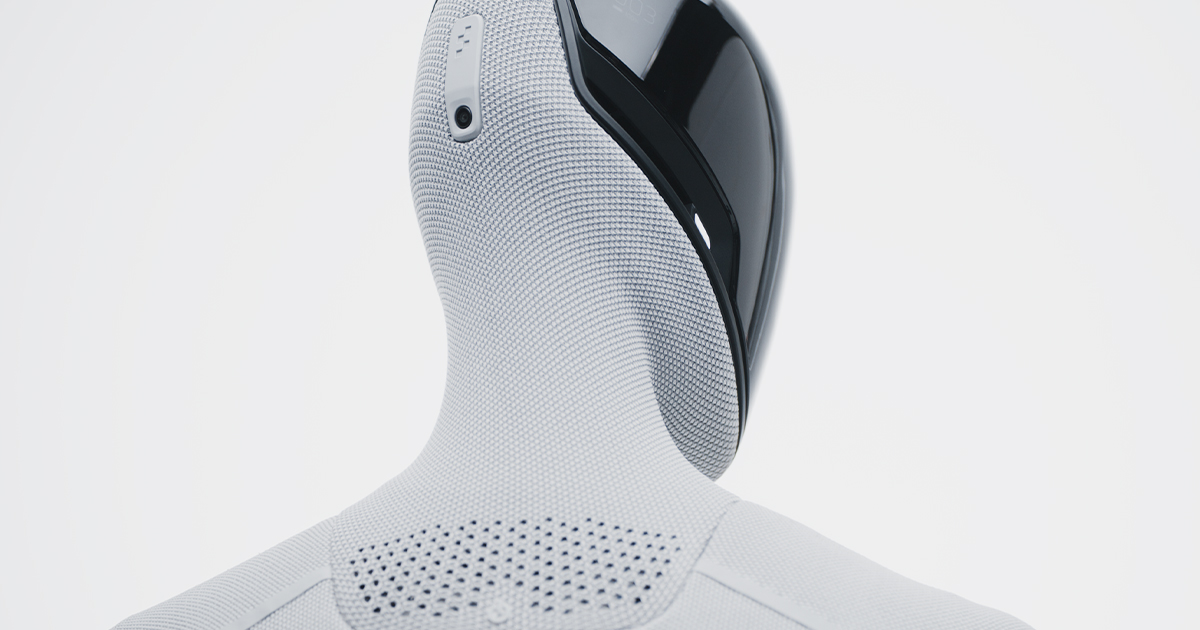
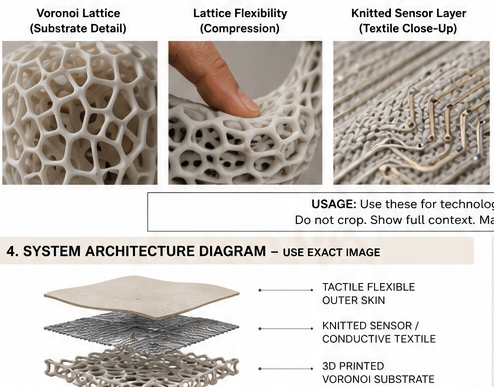
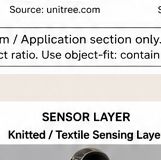
Shellcraft is exploring an advanced exterior architecture in which computationally designed structures, technical textiles and distributed sensing can become part of the physical interface between humanoid machines and the human environment.
Complete conceptual architecture
Layer sequence / conceptual system architecture
- 01
Mechanical core
Original robot mechanics, structural interfaces and motion systems remain the platform baseline.
- 02
Adaptive Voronoi structure
A variable-density 3D-printed substructure can potentially establish form, spacing and controlled compliance.
- 03
Sensor-integrated knitted skin
A technical knit could potentially create a continuous surface for distributed sensing pathways across the exterior architecture.
- 04
Protective / aesthetic exterior
The outer surface establishes visual identity, environmental integration and a finished Shellcraft presence.
Conceptual architecture — subject to engineering development, validation and platform-specific integration. Potential sensing modalities may include touch, pressure, contact, proximity, temperature and strain/deformation; none are represented as validated production capability.
Architecture analogy
THE BODY BECOMES AN INTERFACE.
HUMAN BODY
SHELLCRAFT CONCEPT
SKELETON
ROBOTIC CORE
SOFT TISSUE
VORONOI / LATTICE STRUCTURE
SKIN
SENSOR-INTEGRATED KNIT
APPEARANCE
EXTERIOR SURFACE / IDENTITY
An intuitive architectural analogy only; it does not claim to reproduce human biology.
X-ray / cutaway
OUTER SURFACE
SENSOR-INTEGRATED KNIT
3D-PRINTED VORONOI LATTICE
AIR / COMPLIANCE ZONE
ORIGINAL ROBOT MECHANICS
Conceptual torso / shoulder / arm cutaway showing a possible layer relationship. No claims are made about engineered performance or integration.
Variable-density concept
STRUCTURE WHERE NEEDED.
COMPLIANCE WHERE REQUIRED.
Open cell
High movement / ventilation
Medium cell
Body-form development
Dense cell
Localized structure / protection
Flex zone
Joint-adjacent areas
Contact detected
Human touch / sensing study
A RESPONSIVE SURFACE — UNDER DEVELOPMENT.
A human hand meeting a technical-knit forearm is used here as a calm interaction study. The muted response illustrates potential contact, pressure distribution and surface-deformation signals, not a current production feature.
Pressure distributionSurface deformationTechnology under development
THE NEXT ROBOTIC PLATFORM
WON'T END AT THE MECHANICS.
ITS BODY CAN BECOME
PART OF THE SYSTEM.
06Sensor skin
THE SURFACE BECOMES AN INTERFACE.
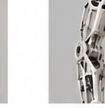
A technical knit can make the exterior warmer, softer and more responsive in concept while retaining the clarity of an engineered surface.
Illustrative concept only. Shellcraft makes no production-performance or validated sensing claims.
07Personalization
ONE PLATFORM.
THOUSANDS OF IDENTITIES.
Personalization begins with the physical character of the surface: form, material, color, texture, graphics and brand language.
BONE COMPOSITE
WARM TITANIUM
GRAPHITE POLYMER
STONE TECHNICAL KNIT
CHARCOAL TECHNICAL KNIT
MINERAL MESH
BRONZE DETAIL
08Process
FROM PLATFORM
TO PRESENCE.
- 01
SELECT PLATFORM
- 02
ASSESS
- 03
DESIGN
- 04
FABRICATE
- 05
FIT
- 06
DEPLOY
09Digital design / fabrication
DIGITAL PRECISION.
PHYSICAL CRAFT.
CAD geometry, additive fabrication, lattice prototypes, material samples, surface finishing and fitment detail come together in a disciplined fabrication process.
10Applications
DESIGNED FOR THE HUMAN ENVIRONMENT.
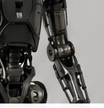
Exterior architecture that can sit naturally within a calm, contemporary material world — designed to make robotic presence feel more considered.
HOSPITALITYRETAILRESIDENTIALSHOWROOMENTERTAINMENTCORPORATEEXPERIENTIAL
11Commercial identity
YOUR ROBOT
CAN LOOK LIKE YOUR BRAND.
A coherent fleet language can establish a more considered public presence while retaining individual material and finish variation.
Conceptual fleet study only; it is not a manufacturer, compatibility, or deployment claim.
Commercial / fleet visual pending approved source media
12Future horizon
THE BODY
CAN EVOLVE.
Today / Exterior design and fitment.
Advanced / Computational lattice and engineered-skin concepts.
Future / Potential sensor-integrated exterior architecture.
Mechanics → structure → sensing → surface
13 / Independence & boundaries
Shellcraft is an independent company and is not affiliated with or endorsed by robot manufacturers unless expressly stated. Exterior programs are cosmetic and do not claim to modify certified safety systems, motors, controls, sensors or core electronics. Physical fitment, availability, terms and warranty implications are evaluated through a custom engineering review.
Shellcraft / project start
THE MACHINE IS JUST THE BEGINNING.
MAKE IT YOURS.
Begin with a Shellcraft Design & Fitment Assessment.
Warm carbon / bone / titanium
DESIGNED FOR
THE HUMAN
ENVIRONMENT.
A quiet material composition for the next phase of humanoid exterior architecture.